

Table of Contents
Have you noticed your gums bleeding when you brush or looking redder than usual? These are classic signs of gingivitis, and the good news is that you can often reverse gingivitis at home with the right approach. Our dentist sees patients with early-stage gum disease regularly, and most are relieved to learn that gingivitis is the only stage of gum disease that can be completely reversed. With consistent effort and proper periodontal care, you can restore your gums to health within just a few weeks. Here’s what you need to know about treating gingivitis effectively from the comfort of your own bathroom.
Key Takeaways
- Gingivitis is reversible with proper care, but untreated gingivitis can progress to periodontitis, which causes permanent damage to teeth and bone.
- Brushing twice daily for two full minutes with fluoride toothpaste is essential to remove the plaque that causes gum inflammation.
- Daily flossing reaches the areas between teeth where your toothbrush cannot, removing plaque before it irritates gum tissue.
- Antimicrobial mouthwash provides an additional layer of protection by reducing bacteria throughout your entire mouth.
- Most people see improvement within 10 to 14 days of consistent oral hygiene, though professional cleanings help remove hardened tartar that home care cannot address.
What Is Gingivitis and Why Does It Happen?
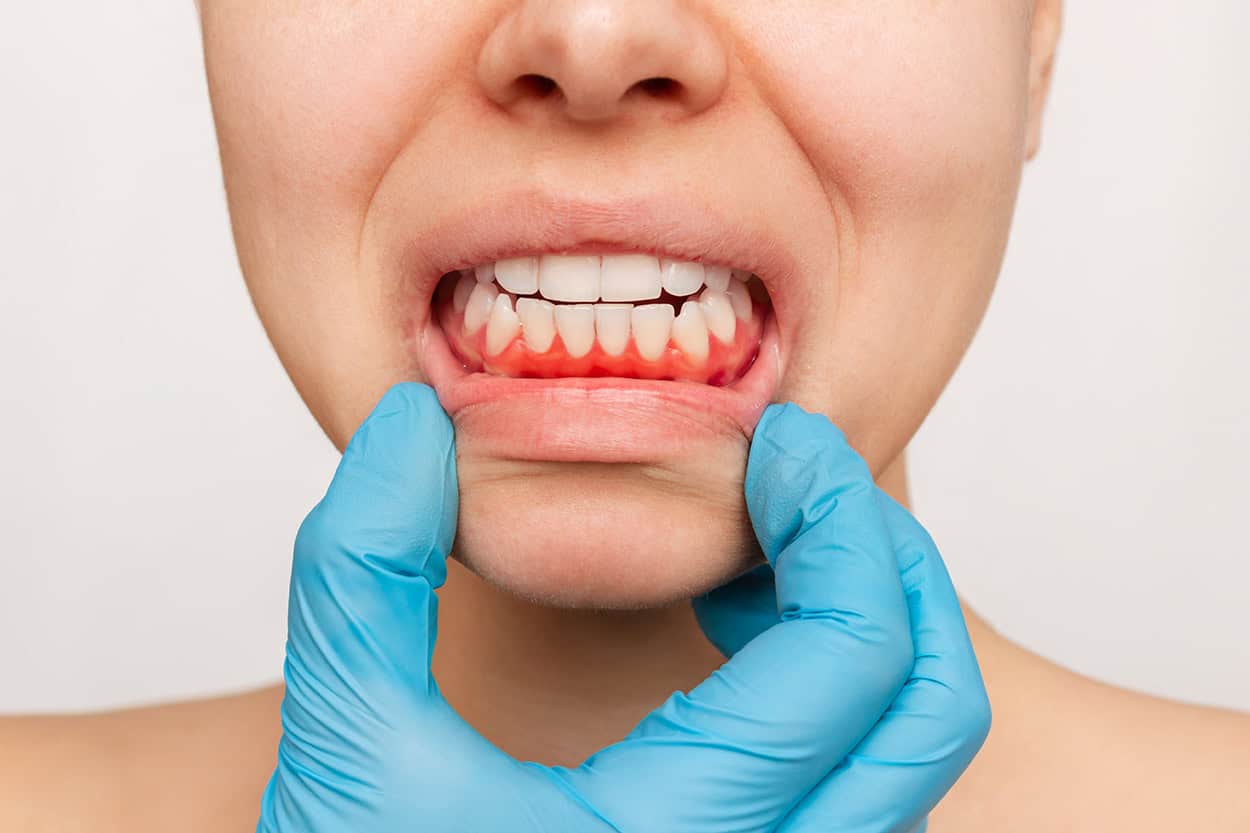
Gingivitis is the earliest and mildest form of gum disease, characterized by inflammation of the gingival tissue surrounding your teeth. When you eat, bacteria in your mouth feed on food particles and form a sticky film called plaque. If plaque isn’t removed through regular brushing and flossing, it accumulates along the gumline and releases toxins that irritate your gum tissue. Your body responds with inflammation, causing the redness, swelling, and bleeding that signal gingivitis.
Nearly half of adults over 30 have some form of gum disease, making it incredibly common. Risk factors include smoking, diabetes, hormonal changes, certain medications that cause dry mouth, and simply not maintaining consistent oral hygiene. Understanding that gingivitis results from plaque buildup is the first step toward knowing how to reverse gingivitis at home effectively.
How Can You Reverse Gingivitis at Home?
The key to reversing gingivitis at home is removing plaque before it can harden into tartar. Once plaque calcifies into tartar, only a dental professional can remove it. However, if you catch gingivitis early and commit to excellent oral hygiene, you can eliminate the plaque causing your gum inflammation and allow your gums to heal.
Start by brushing your teeth twice daily for a full two minutes each time. Use a soft-bristled toothbrush and hold it at a 45-degree angle to your gumline, using gentle circular motions. Pay special attention to the area where your teeth meet your gums, as this is where plaque accumulates most readily. Consider switching to an electric toothbrush, which can be more effective at removing plaque than manual brushing. Replace your toothbrush or brush head every three to four months, or sooner if the bristles become frayed.
Why Is Flossing So Important for Gum Health?
When working to reverse gingivitis at home, flossing is just as critical as brushing. Your toothbrush simply cannot reach the tight spaces between teeth where plaque loves to hide. Without daily flossing, plaque builds up in these areas and continues irritating your gums even if you brush perfectly.
Floss at least once daily, gently curving the floss around each tooth in a C-shape and sliding it beneath the gumline. If traditional string floss feels awkward, try floss picks, interdental brushes, or a water flosser. Water flossers are particularly effective for people with sensitive gums or those who find string flossing difficult. The American Dental Association has recognized several water flossers as effective tools for reducing plaque and preventing gingivitis.
What Other Steps Help Reverse Gingivitis at Home?
Beyond brushing and flossing, several additional strategies support your efforts to reverse gingivitis at home. Using an antimicrobial mouthwash helps reduce bacteria in areas you brush and floss might miss. Look for products containing chlorhexidine or essential oils that are specifically formulated to fight gum disease.
Your diet also plays a role in gum health. Bacteria thrive on sugar, so reducing your intake of sugary foods and drinks limits the fuel available for plaque formation. Eating a balanced diet rich in vitamins C and D supports your immune system and helps your gums heal. If you smoke or use tobacco products, quitting is one of the most important things you can do for your gum health, as tobacco significantly impairs your body’s ability to fight infection and heal damaged tissue.
When Should You See a Dentist?
While you can reverse gingivitis at home in its early stages, professional dental care remains an important part of the equation. If your symptoms don’t improve after two weeks of diligent home care, schedule an appointment with your dentist. You should also seek professional help if you experience severe symptoms like significant pain, pus between teeth and gums, loose teeth, or gums that have pulled away from your teeth.
Regular professional cleanings remove tartar buildup that home care cannot address and allow your dental team to monitor your gum health over time. Your dentist or hygienist can also demonstrate proper brushing and flossing techniques and recommend products tailored to your specific needs. Think of professional care and home care as partners working together to keep your gums healthy.
Taking Control of Your Gum Health
The ability to reverse gingivitis at home puts you in control of your oral health. By committing to thorough brushing twice daily, flossing once daily, and supporting these habits with antimicrobial mouthwash and a healthy lifestyle, you can eliminate the inflammation causing your symptoms. Remember that consistency is key—your gums need ongoing care to stay healthy. If you’re concerned about your gum health or aren’t seeing improvement with home care, don’t hesitate to reach out to your dental team for guidance and professional periodontal care.
If you want to learn more about gum disease treatment, visit our Periodontal Care in Canyon Country page or schedule a consultation.