

Dentists know that brushing and flossing at home is crucial for keeping teeth and gums healthy. However, even with diligent oral hygiene habits, plaque and tartar can still accumulate over time. That’s when regular professional cleanings come in! Getting your teeth cleaned at the dentist is essential to maintaining a bright, healthy smile for life. But how often should you really go in for a cleaning? The answer may surprise you.
The Standard Recommendation: Every Six Months
Most dental professionals recommend cleaning your teeth professionally every six months. Twice-yearly cleanings are considered the standard for most adults with generally good oral health.
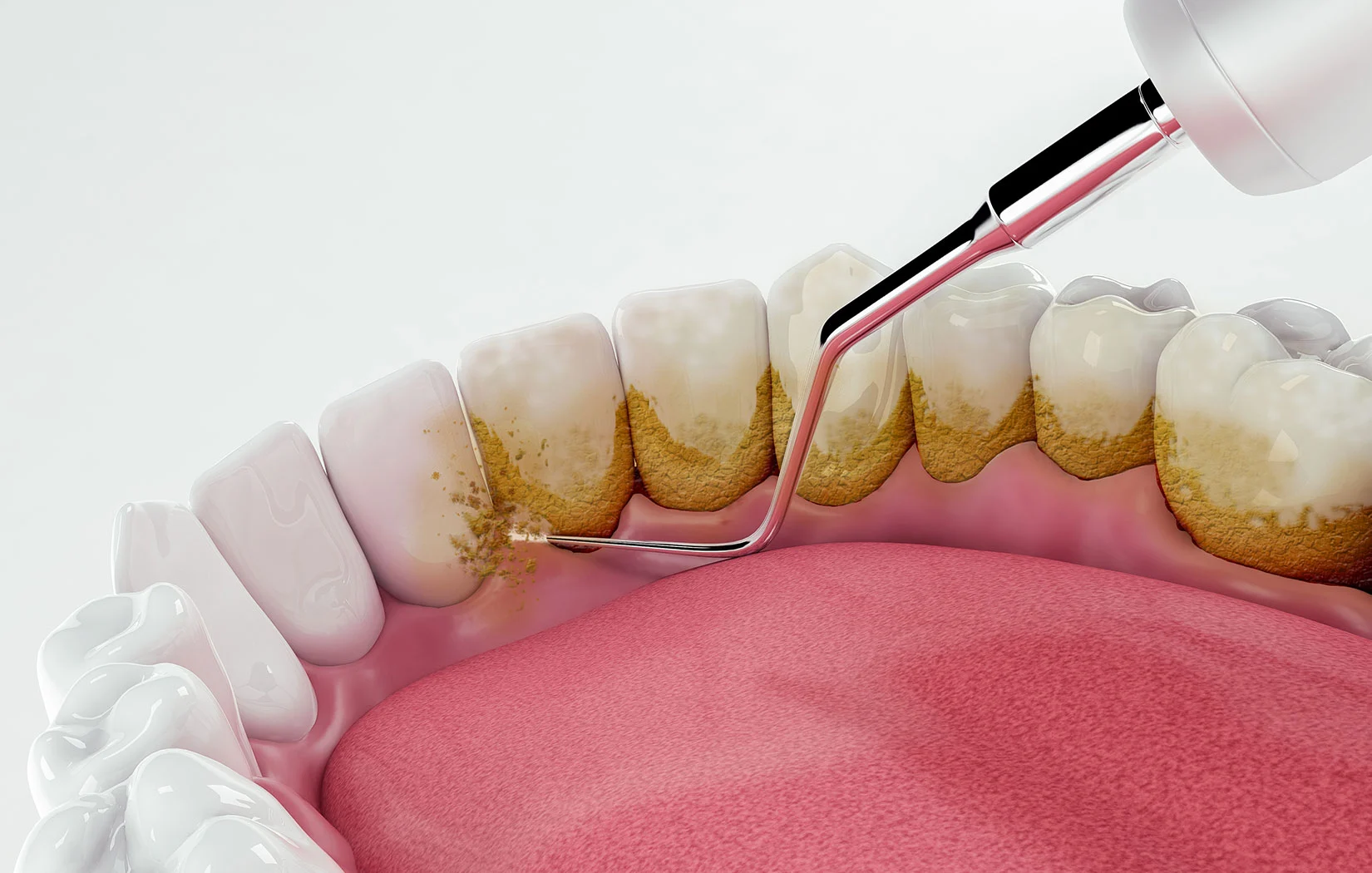
During a professional cleaning, the dental hygienist will use specialized tools to gently remove any hardened plaque and tartar buildup from your teeth and just below the gum line. This thorough cleaning gets rid of the crud that daily brushing and flossing simply can’t tackle on its own. Your dentist will also polish your teeth to remove surface stains and maximize that fresh, squeaky-clean feeling!
Bi-annual cleanings allow dentists to prevent gum disease and decay before they can really take hold. With a clean slate every six months, it’s much easier to continue controlling plaque on your own until your next visit.
Why More Frequent Cleanings May Be Recommended
While every six months is the standard recommendation, every patient has a different risk profile. Depending on your individual oral health status, dentists may advise you to come in for cleanings more frequently – anywhere from every three and four months instead of every six. Here are a few reasons why dentists might suggest more frequent visits:
- You have gum disease: If you’ve been diagnosed and treated for any form of gum (periodontal) disease, more frequent cleanings become vital. Gum disease is a chronic bacterial infection, and those bacteria produce plaque rapidly, affecting your oral health and having severe health consequences. Removing hardened plaque and tartar every three months gives you a crucial head start in controlling the disease’s progression.
- You tend to build up tartar quickly: Some people are simply more prone to developing heavy plaque and tartar buildup than others, even with good home care habits. Tartar buildup puts you at higher risk for tooth decay and gum disease. More frequent cleaning appointments help keep that tartar under control.
- You have a weakened immune system: Patients with compromised immune systems have a harder time fighting off infections – including gum infections and cavities caused by oral bacteria. More frequent cleanings give you an extra line of defense.
- You have difficulty brushing/flossing: Cleanings every three to four months may be advisable if you have physical limitations that make thorough brushing and flossing challenging, such as arthritis, disabilities, etc. More help from your hygienist can be beneficial.
- You smoke or use tobacco products: Smoking and other forms of tobacco use dramatically increase your risks for oral health issues like gum disease, tooth staining, and oral cancer. Dentists would likely want to see you for cleanings every three to four months to help counteract these elevated risks.
- You are pregnant: Cleanings every trimester are ideal for pregnant patients, as hormonal fluctuations can increase gum sensitivity, disease risk, and fetal development and health.
Less Frequent Cleanings: Not Ideal for Most Patients
On the opposite end of the spectrum, you may be wondering if it’s okay to go longer than six months between professional cleanings. For the vast majority of patients, dentists simply don’t recommend waiting more than six months.
Skipping your regular cleanings means plaque and tartar keep accumulating and hardening over time. Before long, you’re at a significantly increased risk of developing gum disease, cavities, enamel erosion, and more. It also becomes much harder to fully clean your teeth when you finally come in.
There are a few exception cases where annual cleanings may be acceptable – such as for patients with perfect oral health, no tooth decay or gum issues whatsoever, and truly ideal oral hygiene habits. But even then, this should only happen under close supervision by your dentist because your risk profile could change over time.
It’s always better to err on the side of caution and follow the tried-and-true recommendation of professional cleanings every six months.
Make the Most of In-Between Cleanings
To help keep your mouth as clean and healthy as possible between professional teeth cleaning appointments, be sure to:
- Brush twice daily for two minutes each time, using a soft-bristled toothbrush and fluoridated toothpaste.
- Floss once daily, taking care to clean each tooth surface thoroughly.
- Limit sugary, acidic, and staining foods/drinks that put you at higher risk for cavities and stains.
- Stay hydrated throughout the day to encourage healthy salivary flow
- Don’t smoke or use tobacco products.
- Use any prescribed oral rinses or gels as directed by your dentist.
Of course, routine dental exams and X-rays at your cleaning appointments are key as well. This allows your dentist to catch any developing oral health issues, such as cavities or gum disease, while they’re still easy to treat.