
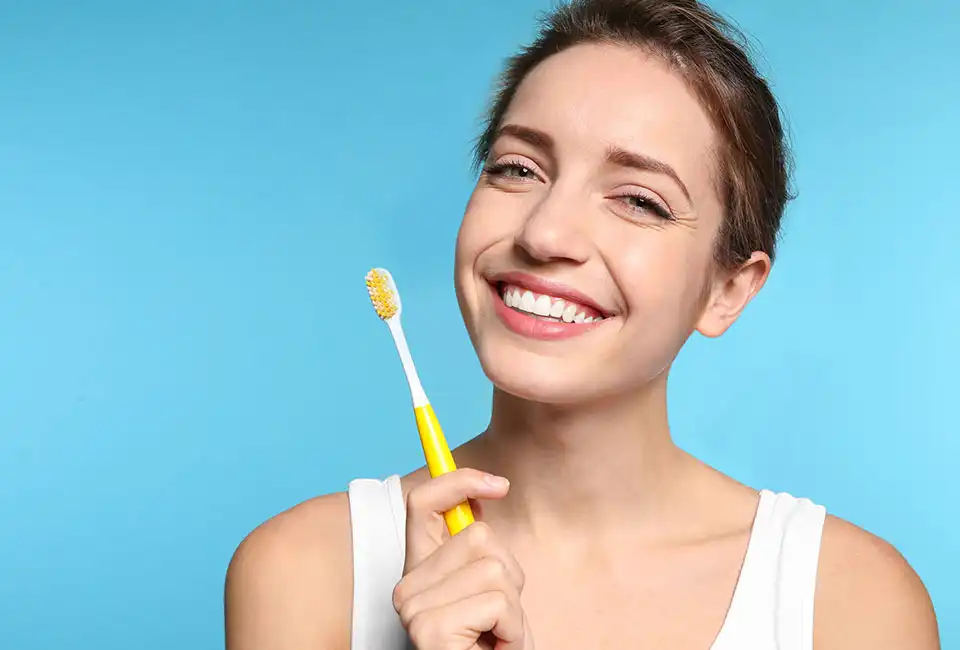
Are you ready to transform your bedtime routine into a dental health powerhouse? This guide discusses nighttime oral hygiene that’ll have you waking up with a brighter smile! Dental experts are passionate about helping you achieve the best oral health possible, starting with your nighttime routine. So, let’s embark on this journey to discover how you can give your teeth the care they deserve before you drift off to sleep.
Nighttime Oral Care Helps While You Sleep
Caring for your teeth at night is important to protect them while you sleep. Having a nighttime oral care routine means brushing gently, flossing carefully, and giving your mouth some extra love with mouthwash or a tongue scraper. Sticking to these bedtime habits boosts your oral health and sets the stage for a brighter, healthier smile in the long run.
Why Your Teeth Deserve Some TLC Before Bed
Giving your pearly whites some attention before bedtime isn’t just about waking up with minty-fresh breath (although that’s a delightful bonus!). It’s a crucial step in maintaining oral health and setting the stage for a lifetime of beautiful smiles. Here’s why you should never skip your nighttime oral care:
- Fights bad bacteria: Nighttime cleaning removes the day’s buildup of plaque and food particles, giving harmful bacteria the boot.
- Prevents morning breath: Wake up feeling fresh and confident, ready to tackle the day.
- Safeguards enamel: It reduces the risk of acid attacks on teeth while you sleep, keeping your enamel strong and healthy.
- Promotes healthier gums: Regular cleaning helps keep your gums pink, happy, and inflammation-free.
- Improves overall health: Good oral hygiene contributes to better general health, as many systemic health issues are linked to oral health.
Your Nighttime Oral Care Toolkit
Ready to level up your nighttime oral care game? Here are the essential tools and techniques to make your bedtime routine a breeze:
- Brush thoroughly: Spend two full minutes gently brushing all surfaces of your teeth with fluoride toothpaste. Remember those hard-to-reach back molars!
- Floss consistently : Show those hard-to-reach spots some love by flossing thoroughly. Your gums will thank you for removing hidden food particles and plaque.
- Rinse and shine : Use an alcohol-free mouthwash to give bacteria the final boot and freshen your breath. Swish for 30 seconds for maximum effect.
- Tongue TLC : Remember to gently clean your tongue—it’s a bacteria hotspot! Use a tongue scraper or your toothbrush to keep it clean and fresh.
- Hydration: Sip some water before bed to rinse away lingering particles and keep your mouth moist throughout the night.
- Consider a nightguard: If you grind your teeth at night, talk to your qualified dentist about getting a custom nightguard to protect your teeth while you sleep.
Signs Your Nighttime Routine Needs a Boost
Even if you think you’re nailing your nightly oral care, it’s good to stay vigilant. Your mouth might be sending you signals that it needs extra attention. Keep an eye out for these signs that it’s time to step up your game:
- Your morning breath is causing issues
- Your gums are discolored or receding
- Hot and cold foods cause you pain
- Your teeth feel loose
- You wake up with jaw pain or headaches
If you spot any of these signs, it’s time to check in with an expert dentist for a dental exam. They’ll help you get your smile back on track faster than you can say “tooth fairy”!
Frequently Asked Questions
Is it okay to use mouthwash instead of brushing if I’m too tired at night?
While mouthwash is great, it’s not a substitute for brushing. Brushing physically removes plaque and food particles that mouthwash alone can’t tackle. If you’re really exhausted, a quick brush is better than nothing!
How long should I wait after eating before brushing my teeth at night?
It’s best to wait about 30 minutes after eating before brushing. This gives fluoride in your toothpaste a chance to be absorbed into your enamel and your saliva time to neutralize acids and prevents potential enamel damage from brushing softened enamel.
Can I use regular floss if I have braces or dental work?
While regular floss can work, there are special tools like floss threaders or interdental brushes that can make the job easier with braces or dental work. Ask your dentist for personalized recommendations.