

* The Basics of Professional Teeth Cleaning
* Signs You Need a Regular Cleaning
* When Deep Cleaning Becomes Necessary
* What to Expect at Your Cleaning Appointment
* The Truth About Teeth Staining and Professional Cleaning
* Understanding Cleaning Frequency
* The Impact of Skipping Cleanings
* Technology in Modern Teeth Cleaning
* The Connection Between Cleanings and Overall Health
* Making Cleaning More Comfortable
Estimated 6 minutes read time.
Ever wondered if you’re due for a dental cleaning or if those coffee stains really need professional attention? Dentists help you understand exactly when your smile needs some extra care and attention!
The Basics of Professional Teeth Cleaning
A skilled dentist sees dozens of patients weekly for routine cleanings, each with unique oral health needs. Professional cleaning goes far beyond what your regular brushing and flossing can accomplish. Think of it as giving your car a detailed service – sometimes, that regular wash just isn’t enough for what you need! Regular cleanings remove built-up plaque and tartar that home care simply can’t address, while also providing an opportunity for early detection of potential dental issues.
Signs You Need a Regular Cleaning
Your body has clever ways of telling you when it’s time for a cleaning. Here are the key indicators that shouldn’t be ignored:
* Bleeding gums during brushing or flossing that persists for several days
* Persistent bad breath that doesn’t improve with regular brushing and mouthwash
* Visible plaque buildup along your gumline or between teeth
* Teeth that feel rough or look yellow or stained
* Sensitive gums that are red or swollen
* It’s been more than six months since your last professional cleaning
When Deep Cleaning Becomes Necessary
Sometimes, a regular cleaning just isn’t enough. Your dentist might recommend deep cleaning (also called scaling and root planing) when they notice significant signs of periodontal disease. Deep cleaning becomes necessary when regular cleanings aren’t sufficient to maintain gum health. This typically occurs when gum pockets become too deep to clean with standard techniques, or when there’s evidence of ongoing gum disease despite good home care.
What to Expect at Your Cleaning Appointment
Understanding the cleaning process helps make your visit more comfortable and predictable.
Initial Examination
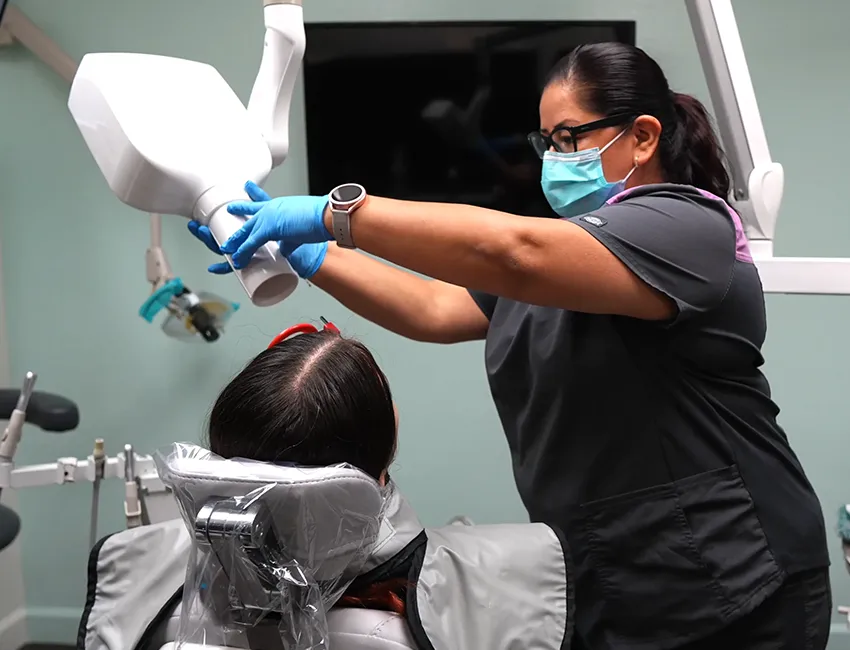
Your hygienist starts by visually checking your mouth, noting any areas of concern, and taking X-rays if needed to get a complete picture of your oral health.
Scaling
Using specialized tools, the hygienist carefully removes plaque and tartar buildup from both above and below your gumline, paying special attention to hard-to-reach areas.
Polishing
After scaling, your teeth are polished with a toothpaste-like substance to remove surface stains and leave your teeth feeling smooth and clean.
Final Assessment
Your dentist performs a thorough examination, checking for cavities, gum disease, and other potential issues while discussing any findings and recommendations for future care.
The Truth About Teeth Staining and Professional Cleaning
When it comes to stains, professional cleaning can work wonders! While teeth whitening might be necessary for severe discoloration, many surface stains from coffee, tea, and wine can be effectively removed during a professional cleaning. Specialized tools and techniques can reach stains that regular brushing simply can’t touch.
Professional cleaning can significantly brighten your smile by removing these external stains and polishing the tooth surface to resist new staining.
Understanding Cleaning Frequency
Most patients benefit from professional cleanings every six months, but some might need more frequent visits. A skilled dentist will determine your ideal cleaning schedule based on your oral hygiene habits, genetic predisposition to gum disease, existing medical conditions, and lifestyle factors like smoking. Some patients with excellent home care might only need annual cleanings, while others might benefit from quarterly visits.
The Impact of Skipping Cleanings
Here’s what you need to know about postponing your cleaning appointments:
* **Oral Health Risks:** Missing cleanings increases your risk of cavities, gum disease, and bad breath.
* **Systemic Health Impact:** Poor oral health can affect your overall wellness.
* **Cost Implications:** Prevention through regular cleanings is more affordable than treating advanced dental problems.
* **Cosmetic Concerns:** Stains and tartar buildup become more difficult to remove over time.
* **Long-term Effects:** Skipped cleanings can lead to tooth loss and the need for extensive dental work.
Technology in Modern Teeth Cleaning
The days of uncomfortable dental cleanings are behind! Your dentist uses advanced ultrasonic cleaning devices and specialized polishing tools to make your cleaning experience comfortable and efficient. Modern equipment allows for more thorough cleaning with less discomfort and shorter appointment times.
The Connection Between Cleanings and Overall Health
Dentists understand that oral health is directly related to overall well-being. Regular cleanings help prevent systemic health issues by reducing harmful bacteria in your mouth.
The mouth-body connection is well-documented, and maintaining good oral health through regular cleanings can positively impact your entire body’s health.
Making Cleaning More Comfortable
Dentists know dental anxiety is real! Modern dentistry offers several comfort options during cleanings, including gentle techniques and clear communication throughout your appointment. The dental team takes time to understand your concerns, can adjust the approach to ensure your comfort, and may offer amenities to help you relax during your cleaning.